


Increasingly, we see extreme weather events around the world that are devastating communities. And the first natural reaction is to ask how you can help communities affected by natural disasters, regardless of whether it is a wildfire, flood, earthquake, hurricane, tsunami, heatwave, snowstorm…the list goes on and on, sadly. Here are some easy ways to help, when you feel helpless.
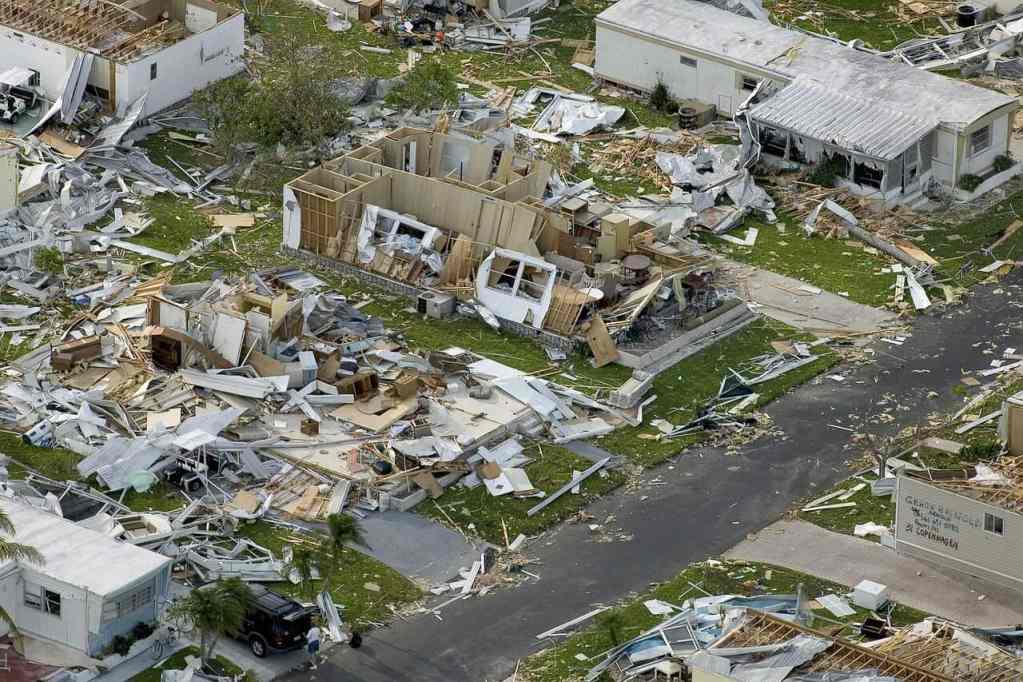
Immediately following a disaster
First and foremost, stay home. When disaster strikes, our first inclination may be to do whatever we can to help. Going to a disaster zone on your own to provide volunteer service is a bad idea.
Infrastructure is likely strained, if not destroyed. You don’t want to add to the problem. Local first responders are likely overwhelmed and don’t need more bodies to possibly support or save.
Think about how you can support their efforts from afar – what do first responders need that you can provide? It could be as simple as information sharing on social media or donating to a fund. Wait for volunteer calls, then go where needed.

Do what you do best
Think about how you can help communities affected by disasters by supporting efforts from where you are, by doing what you do best. Do you have a network you can catalyze to raise money or collect donations? Do you have a special service you can offer remotely?
Mental health service providers are critical following traumatic experiences. Real estate agents may be able to help displaced families find temporary shelter. Farmers may be able to provide produce. Chefs may be able to provide warm meals. If you have the means and the space, maybe you can shelter animals.
You can’t be everything to everyone, but as cliché as it sounds, if you can help one person, that makes all the difference in the world – to them.
Donate
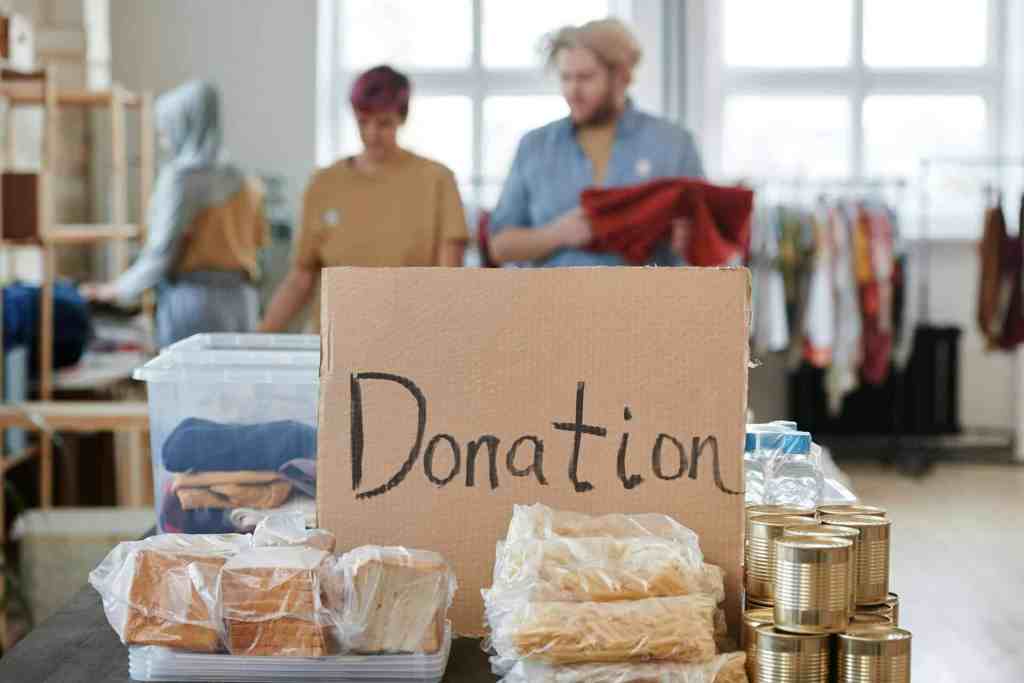
Find local, reputable organizations with a boots on the ground team that is already onsite to help communities affected by disasters. Make a donation if you can. Continue to share donation links and resources on social media, you never know who is looking for what.
If you can’t afford to make a donation, help coordinate donations or connect people to services. Help gather items that will be distributed by teams on the ground.
Be mindful that GoFundMe campaigns can be extremely helpful, sometimes they may interfere with someone’s ability to receive US-based FEMA or other government funding.
Volunteer
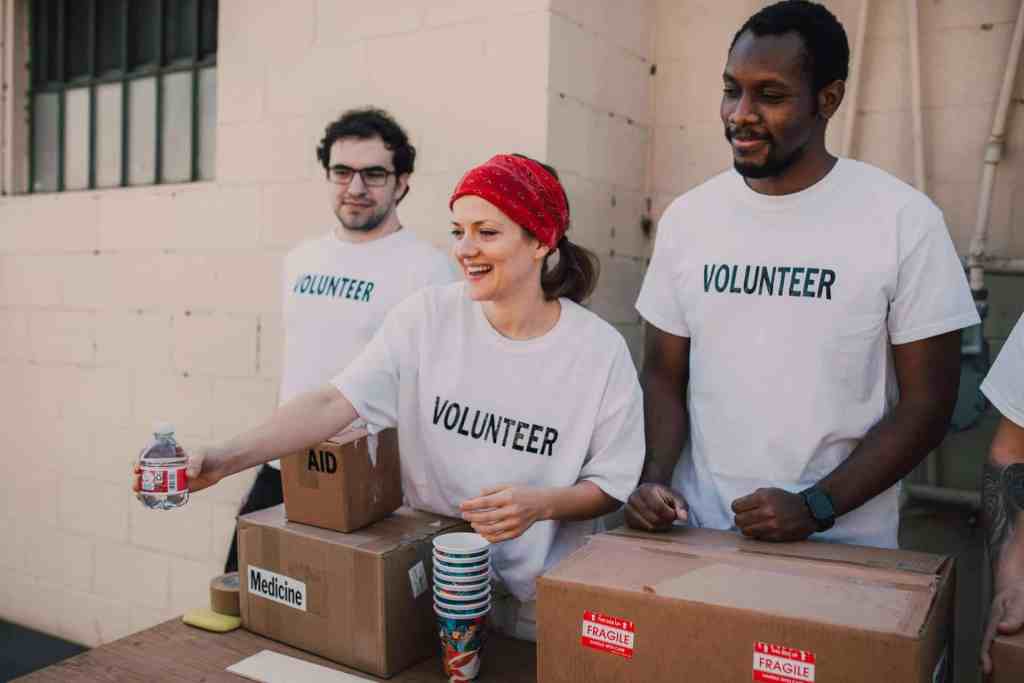
If there is a reputable relief organization with a good track record of providing rebuilding assistance, that may be an option. The Red Cross is always a great place to start as they process blood donations, provide shelter and emergency services.
Globally, All Hands and Hearts is a nonprofit organization that arrives early for first response and stays late to rebuild schools and homes in a disaster-resilient way.
World Central Kitchen is quick to arrive on the scene of a natural disaster to provide warm meals and Global Humanitaria provides emergency support as well as basic humanitarian services.
This is just the tip of the iceberg when it comes to global volunteer opportunities, so be sure to check for local organizations first.

Show compassion
Reach out to people. Even if it’s just to let them know you’re thinkng of them and supporting them. Whether you know them or not.
Share messages of support and solidarity on social. Don’t be shy. Kindness and compassion are never awkward or unwanted.
It’s impossible to imagine yourself in that situation (unless, unfortunately, you’ve experienced something similar), so lead with your heart.

Visit those destinations – when they are ready
Tourism has the power to make and break economies. Climate change and natural disasters affect destinations greatly and rebuilding takes time.
Immediately following a disaster, teams and city officials come in to assess the damage and begin the lengthy process of rebuilding. Locals try to put the broken pieces of their lives back together and communities attempt to heal.
Once they have had time to rebuild, they will need us. They will need us to support their rebuilding efforts by investing in their communities. Long-term donations and handouts aren’t sustainable and people will need economic opportunities to get back on their feet.
That’s where (sustainable) tourism comes in.
This is one of the most critical times to use your travel choices and dollars to strengthen local economies and support local businesses. Support locally-owned hotels, community-based businesses and local tour guides.
Every dollar counts.


