


It wasn’t that long ago that quinoa rose to prominence as one of the most powerful global superfoods passed down from the Incan gods. Now, you’d be hard-pressed to find a plant-based menu (or any, for that matter) that doesn’t have quinoa on it…wherever you are in the world.
Depending where your travels have taken you, some of these exotic, power packed gems might not be on your radar yet. All plant-based (read: also good for the environment), they’ve been the secret to good health for thousands of years, in cultures around the world. Our advice? Seek out these global superfoods on your travels, give them a try and integrate them into your regular diet, if possible. Your body (and gut) will thank you.

Baru Seeds
If you ate these with your eyes closed, you’d think they were peanuts. They look like nuts, but they’re not. Baru seeds are the perfect solution for people who are missing out on that creamy, nutty flavor that is so addicting.
A South American superfood that flies under the radar, baru seeds are a nutrient-dense legume grown in the Savannah of Brazil. With more protein than almonds and walnuts, baru seeds are a great source of fiber, iron and vitamin E. Organic Traditions sells a resealable bag that’s perfect to take on the go.
Lemon Myrtle
In the land famous for kangaroos and koalas, there’s a native shrub that bears multi-purpose leaves. Lemon myrtle is an Australian wonder plant whose essential oils have antibacterial, antimicrobial and antifungal properties.
The leaves themselves are widely used to make tea, dried spices or to infuse flavor into ice cream, cakes and sorbets. The light citrus flavor (similar to lemongrass) is complemented by nutrients like calcium, folate, zinc, magnesium and Vitamin E, so it tastes good and does good. Orchard Street makes a nice botanical tea with lemon myrtle, perfect to aid digestion.

Cherimoya
Sometimes referred to as a custard apple because of its creamy flesh, the cherimoya (or chirimoya) is a natural antioxidant that is high in vitamins C and B. Originally from Central America, it can also be found growing in tropical regions and southern Spain (surprisingly).
Large and green, the cherimoya is almost heart shaped and looks a little bit like a smooth artichoke. It can be eaten as is, or chilled and then scooped with a spoon like ice cream. Or you can always do as they do in Peru and Chile, and use it in ice cream and yogurt.

Amaranth
Historically harvested by Aztec and Incas in Central and South America, amaranth is a gluten-free “grain” that has nutrient rich greens and seeds. A protein powerhouse, both the seeds and greens are edible, the latter tasting much like spinach.
It’s one of those global superfoods that gets less attention than the more familiar quinoa, but high amounts of calcium, magnesium, iron, phosphorus and potassium make amaranth a no-brainer for the health conscious. It even has vitamin C and lowers cholesterol. Why are we not eating this every day?

Moringa
Everyone knows about matcha, but there’s another green superfood you should add into your repertoire: Moringa. Proven to lower blood sugar and cholesterol, moringa is one of the most nutritious plants on the planet.
Known in ancient cultures as the ‘Tree of Life,’ it is primarily grown in South Asia, but also found in West Africa. More nutritious than kale, a quick internet search will confirm that moringa is so good for you, it can treat anything from infections to arthritis. Brands like Kuli Kuli make it easy to get your daily dose with their range of powders, bars and teas.

Saskatoon Berry
Our Canadian friends have a secret superfood and although it looks like a blueberry, it’s more closely related to the apple family. Sometimes marketed as a juneberry in the U.S. (because it begins ripening in June), it’s actually called a saskatoon berry.
Interestingly, the berries have a sweet, almost nutty almond flavor. A better source of calcium than red meats, vegetables and cereals, the saskatoon berry is also richer in antioxidants than most other berries. Sounds like a good reason to visit Canada, eh?

Baobab Fruit
Native to some parts of Africa, Arabia, Australia and Madagascar, the baobab tree produces a fruit that is one of the tastiest global superfoods. Chock full of vitamins and minerals like vitamin C, potassium, magnesium and zinc, baobab fruit (or powder) is like magic.
High in fiber, it’s good for the gut, reduces inflammation and even balances out blood sugar levels. You can slip the powdered version into almost anything, but next time you visit a region that grows it, make sure you try the real deal.
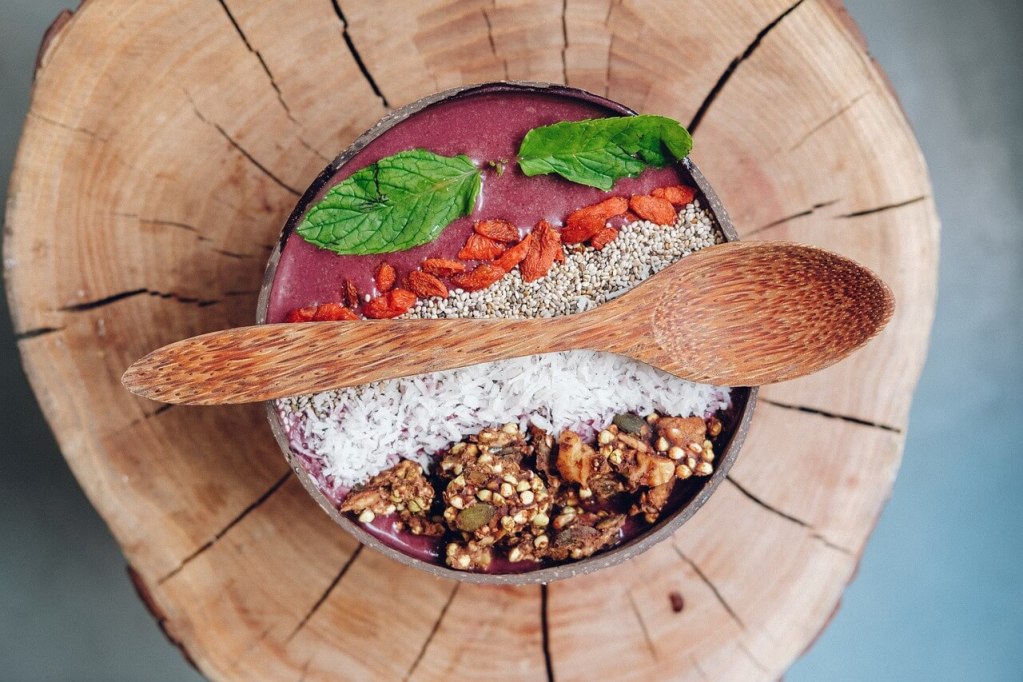
Goji berries
Small and reddish orange, goji berries look like a cross between a cranberry and a raisin. Native to Asia, these little berries are deceiving as they can taste more sour than sweet. If that works for you, it’s worth popping them into smoothie bowls, salads or just snacking on them by themselves.
They’re known to slow signs of aging (who doesn’t like that?) and strengthen your liver, kidneys and lungs.
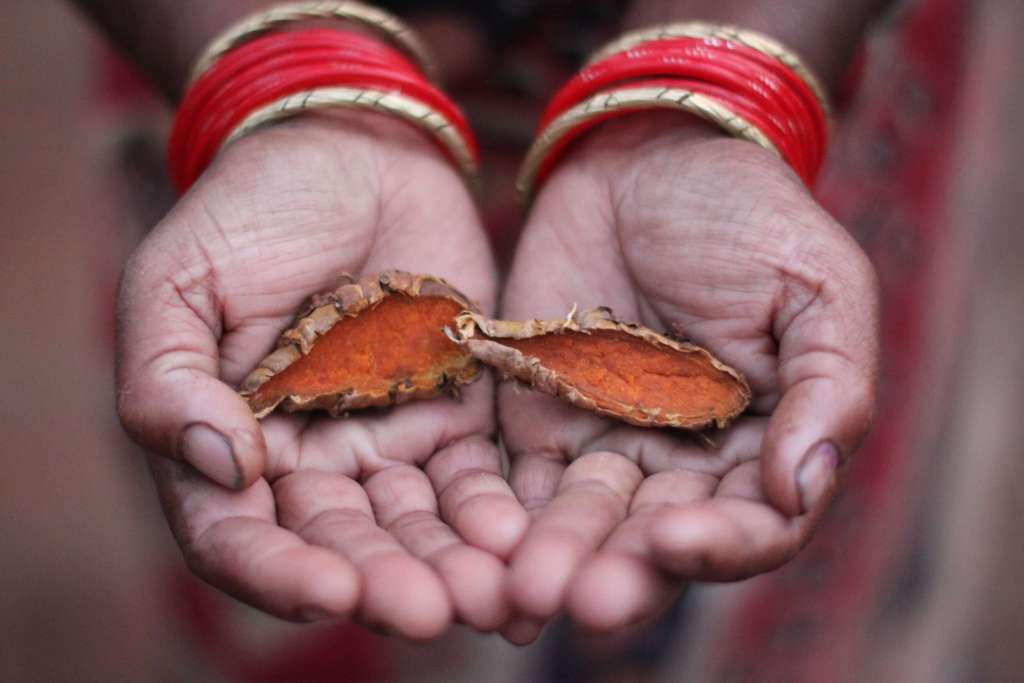
Turmeric
For thousands of years, turmeric has been used in Ayurvedic and Chinese Medicine as a spice and a natural remedy. Native to India, turmeric’s main ingredient is curcumin, a powerful antioxidant with anti-inflammatory properties, which is great for any skin inflammation.
In addition, it can give your brain a boost, improve heart health, reduce arthritis and much more. Although it looks very similar to ginger on the outside, turmeric is bright orange on the inside and when dried and converted into powder, it dries a vibrant yellow color. Golden lattes all around!
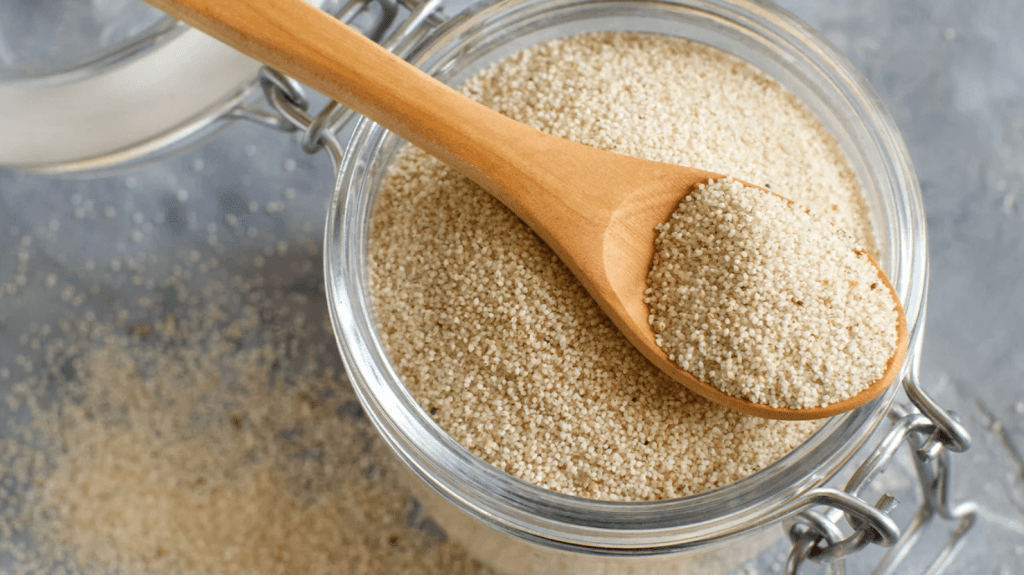
Fonio
A drought-resistant ancient grain native to West Africa, fonio can be found widely in Burkina Faso, Guinea, Senegal, Mali, Ghana and Nigeria. A nutritional powerhouse, fonio is packed with B vitamins, iron, copper magnesium, zinc and more.
According to the United Nations Food and Agriculture Organization, this gluten-free wonder also has the highest calcium content of all grains, making it one of the best global superfoods, especially for vegans or people with a lactose intolerance.

Maca Root
Also known as Peruvian ginseng, maca root has been cultivated for thousands of years in its native home, the Andes Mountains. A cruciferous vegetable, maca is closely related to broccoli, cabbage and kale and was historically used as food or as a medicine for respiratory infections.
Packed with vitamins, minerals and fiber, the root powder has a nutty, slightly sweet flavor and is easy to slip into smoothies and baked goods. Studies on health benefits are limited, but some point to improvements in mood, energy, libido and fertility. It’s worth keeping an eye out for this one!
MICHELLE ARELLANO MARTIN


