


For Americans, a decadent carrot cake slathered in a sweet cream cheese frosting is commonplace on Easter Sunday. In Spain, the traditional Easter treat is torrijas, an elevated version of french toast and in the UK, every baker puts their own spin on hot cross buns. But do you know what Colomba, the Italian Easter cake is?

The history of Colomba
There are various theories throughout Italy on the origins of the Easter Colomba.
Some say families would splurge once a year to celebrate Easter Sunday and bake a cake using bread dough with sugar, butter and eggs. At the time, these were considered expensive ingredients.
Over time, this sweet evolved into the Colomba, a dove-shaped yeasted cake rich in vanilla, butter and candied orange, topped with a pearl sugar and almond glaze.
Other accounts say Angelo Motta, a Milanese pastry chef who first began baking Christmas panettone (and later industrialized it), introduced Colomba as the Easter version of panettone.
There’s also the popular legend that says the Colomba was brought as a gift to King Alboin following the conquest of Pavia on the day of Pasqua in 572 AD, and proved so delicious that he freed his captives and declared the dove — and the cake — a symbol of peace and renewal.
Whatever the origin, the tradition lives on and can be enjoyed all over the world.
How it’s different from panettone
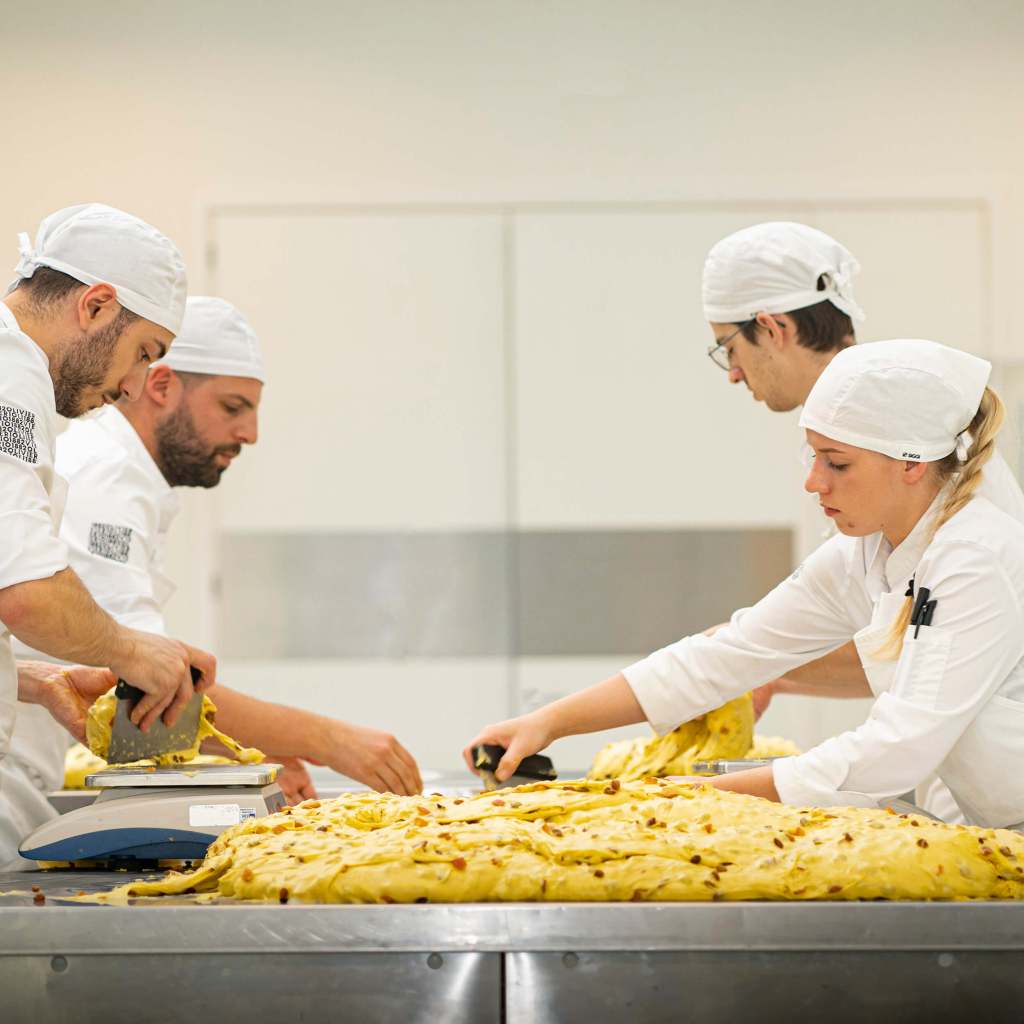
Some believe that the Colomba is an offshoot of panettone as it’s similar in style, panettone’s springtime counterpart. Bakers who produced panettone during the holiday season sought a way to mark the nation’s next significant calendar holiday, Easter, using the same baking techniques and ingredients.
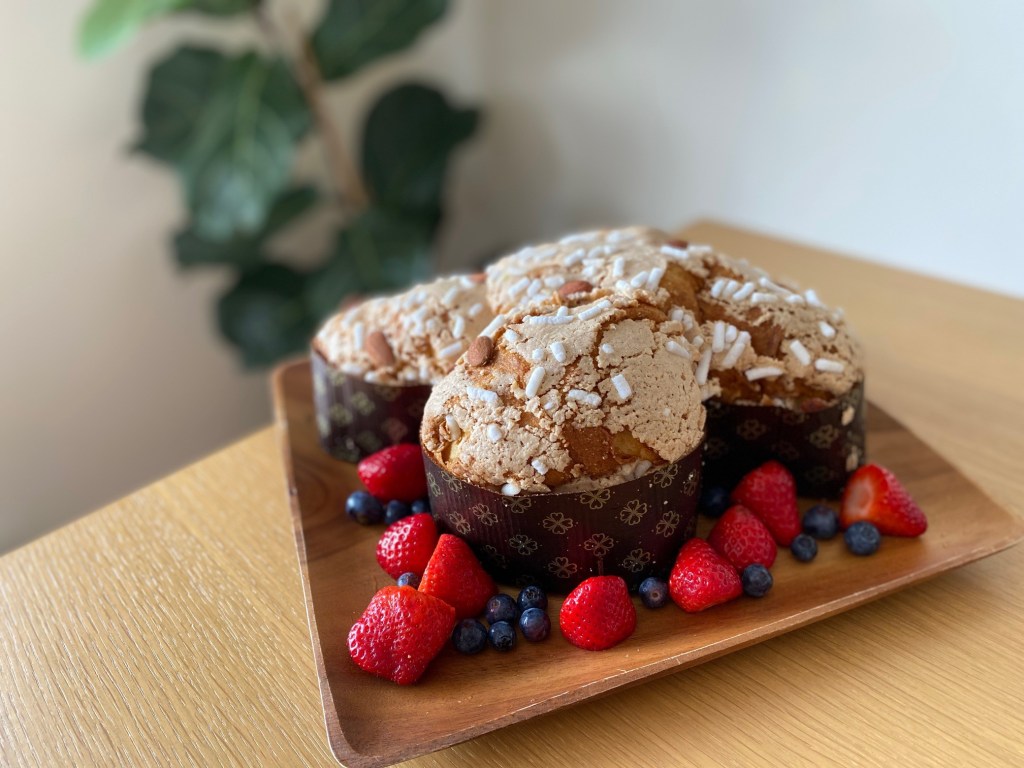
While similar to panettone (made with flour, eggs, sugar, natural yeast and butter), Colomba usually contains candied fruit peel, but no raisins. It’s also in the shape of a dove, rather than round, and has a crusty sugar topping with almonds.
When (and how) to eat it
Enjoyed all throughout Italy, Colomba are available in the lead-up to Easter. Families will traditionally eat them following Easter lunch, but you can also have it for breakfast.
You can pair your Colomba with fresh berries, a sweet spread or use leftovers to make French toast.

Where to get an authentic Colomba
If you can’t make it to Italy over Easter, but still want to try Colomba, order one from Olivieri 1882. A historic, 5th generation family-run business in Arzignano, Italy that has has been around since 1882.
It all began with current head baker Nicola Olivieri’s great-great-grandfather Luigi, who first opened the bakery over a century ago, specializing in bread.
As the years went on, some family members emigrated to the US, while others remained in Italy keeping the business alive during the war time. In 1927, Nicola’s grandfather Bianco was born, and he later took the reins with his wife, Miranda.
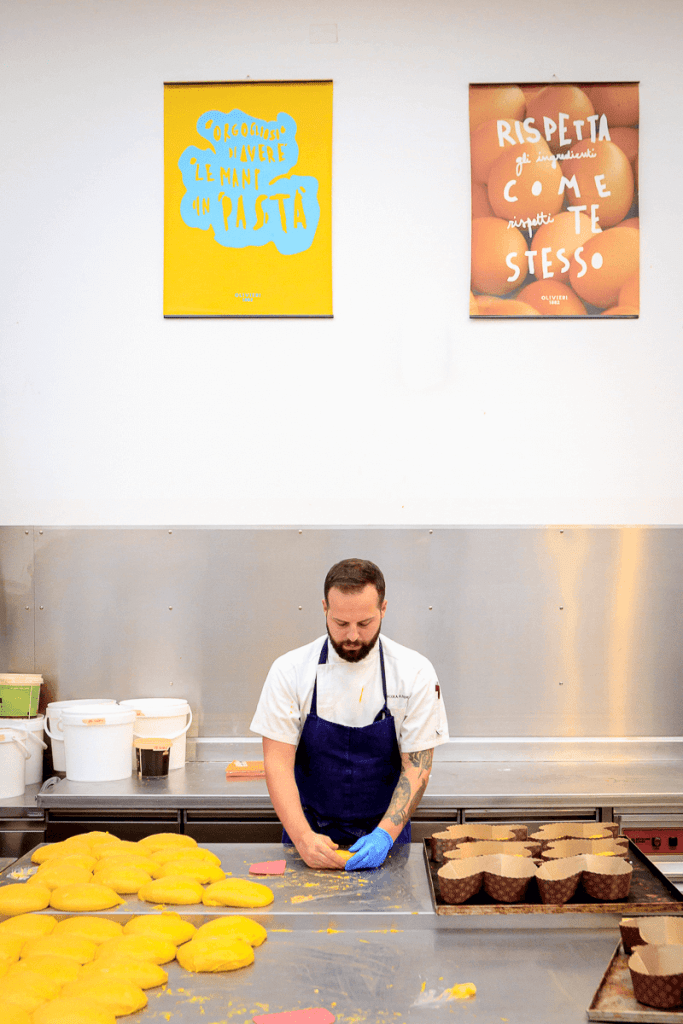
Eventually Nicola’s father Oliviero took over, before passing the business over to his sons Nicola and Andrea. As time has gone on, each generation has added their own recipes and techniques, building on what had been passed down, including their holiday lievitati.
The Classic Colomba is enriched with almonds, hazelnuts and pine nuts. While it looks like it would be dense, it is surprisingly light and soft. The Classic Colomba “Historical Recipe” has minced, candied orange.
Other flavors like Lemon and Vanilla are light with just the right hint of sweetness that allows you to eat it for breakfast without feeling guilty. For chocolate lovers, there’s a Triple Chocolate with white, milk and dark chocolate blended together.
The company ships worldwide, so try the Colomba for Easter and then panettone for Christmas.
T


